
Sea Moss Benefits Backed by Science
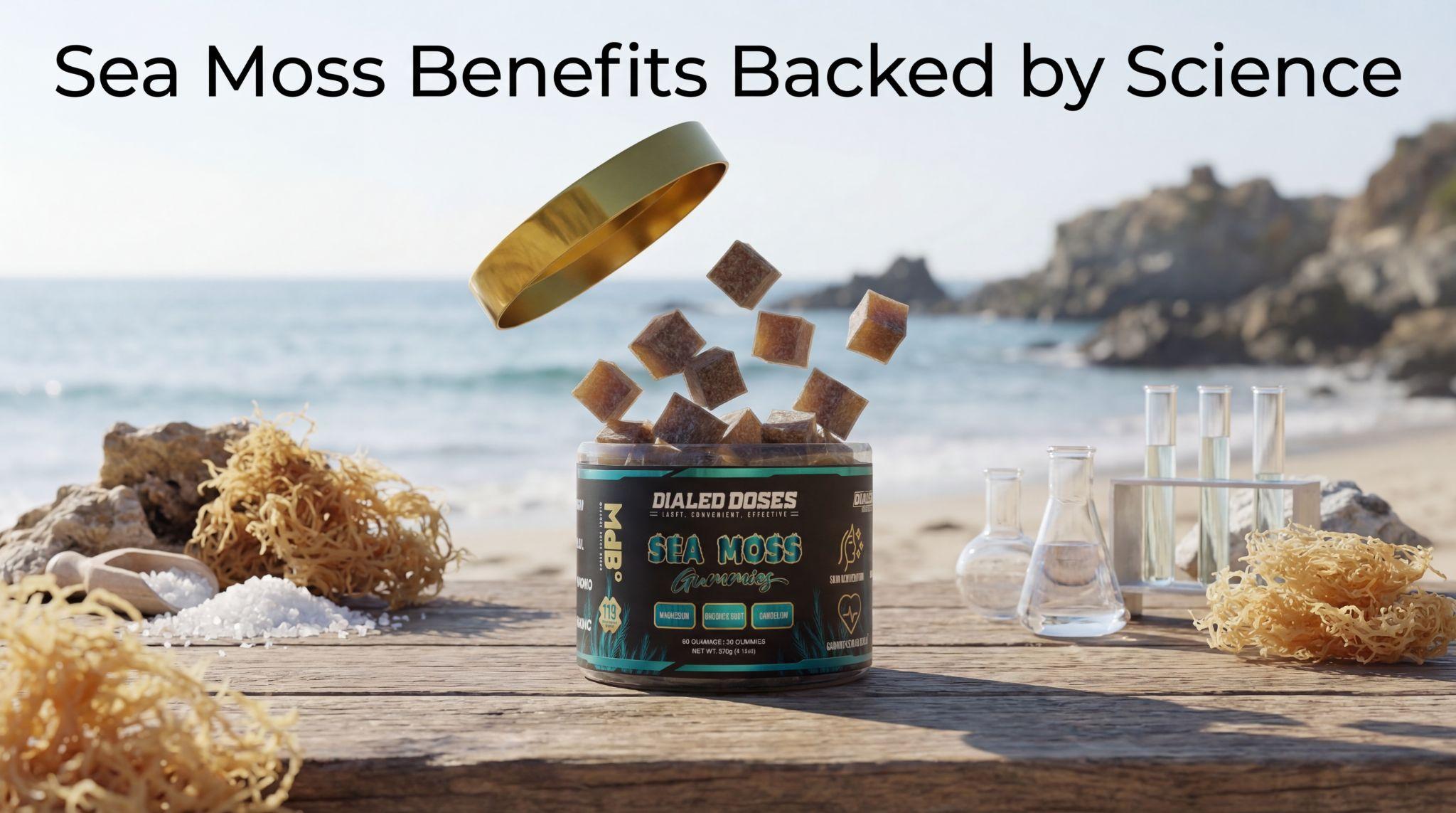
Sea Moss Benefits Backed by Science
Sea moss has been used as a functional food for centuries, but it's only recently that researchers have started examining exactly why it works. The sea moss health benefits people talk about — from stronger immunity to better digestion — have real biological mechanisms behind them. Here's a fact-based look at what sea moss actually does in the body.
Sea Moss and Immune System Support
One of the most cited sea moss health benefits is its impact on immune function. Sea moss is rich in antioxidants — including vitamins C and E — that neutralize free radicals and reduce oxidative stress. Chronic oxidative stress is one of the primary drivers of immune system dysfunction, so reducing it has broad protective effects.
The potassium chloride in sea moss has been shown to help reduce inflammation in the mucous membranes. These membranes line the respiratory and digestive tracts, serving as your body's first defense against pathogens. Keeping them healthy and resilient is a core piece of immune system maintenance.
Sea moss also provides prebiotics that feed the beneficial bacteria in your gut — and since roughly 70% of immune activity is regulated through the gut microbiome, that connection matters more than most people realize. A thriving gut ecosystem directly supports your body's ability to fight infection and recover from illness.
Gut Health and Digestive Benefits of Sea Moss
Sea moss contains a soluble fiber called carrageenan, which acts as a prebiotic — feeding the beneficial bacteria that regulate digestion, immunity, and even mood. This makes sea moss one of the few single-ingredient supplements that genuinely supports the gut microbiome rather than just soothing surface-level digestive discomfort.
The gel-forming properties of sea moss fiber coat the gut lining, reducing irritation and supporting the intestinal barrier. For people with IBS, bloating, or general digestive sensitivity, this protective coating effect can meaningfully reduce symptoms over time. Studies on carrageenan's interactions with gut mucus suggest it may also help repair the lining after inflammation.
Sea moss supports healthy bowel regularity by adding bulk to stool without the harsh effects of synthetic fiber supplements. Unlike psyllium husk or methylcellulose, sea moss fiber is a food-derived source that the gut processes gently and efficiently.
Internal Link: https://www.dialedmoods.com/
Sea Moss for Skin Health and a Radiant Complexion
The sea moss health benefits for skin go beyond surface hydration. The sulfur compounds in sea moss have demonstrated antimicrobial and anti-inflammatory properties, making it useful for reducing acne-causing bacteria and calming inflamed skin. Internally, these compounds support collagen production by protecting skin proteins from oxidative damage.
Sea moss is also a natural source of citrulline-arginine, a compound that supports cell turnover and tissue regeneration. Combined with high levels of vitamin E and antioxidants, this makes sea moss a legitimate contributor to a clearer, more even complexion over time.
The mineral content — specifically zinc, magnesium, and selenium — directly affects skin resilience. Zinc regulates sebum production and reduces acne inflammation. Magnesium lowers cortisol levels, and high cortisol is directly tied to breakouts and accelerated skin aging. Selenium protects cell membranes from UV-induced damage.
Sea Moss and Thyroid Function
Iodine is the most abundant mineral in sea moss, and iodine is non-negotiable for thyroid health. Your thyroid gland requires iodine to produce T3 and T4 hormones, which regulate metabolism, energy levels, body temperature, and even cognitive function. Many people are deficient in iodine without realizing it, particularly those who avoid iodized salt.
Sea moss provides a natural, food-based iodine source that the body absorbs more efficiently than synthetic supplements. Regular sea moss intake can help maintain optimal thyroid hormone levels, which affects everything from your resting metabolic rate to how well you sleep and how clearly you think.
Important caveat: iodine sensitivity is real. People with Hashimoto's thyroiditis or hyperthyroidism should monitor their iodine intake carefully. If you're on thyroid medication, consult your doctor before adding a high-iodine supplement like sea moss to your daily stack.

Sea Moss for Energy and Vitality
Sea moss for energy works through several overlapping mechanisms. First, its iron content supports red blood cell production. Iron-deficiency anemia is one of the most common nutritional gaps worldwide and a leading cause of persistent fatigue, particularly in women. Adequate iron means your blood can carry more oxygen to muscles and organs, which translates directly to more sustained energy.
B vitamins — including riboflavin and folate — found in sea moss play critical roles in converting food into cellular energy. When these cofactors are present in optimal amounts, your mitochondria run more efficiently. When they're depleted, even a good diet and full night's sleep won't get you back to baseline.
Magnesium, another sea moss standout mineral, regulates adenosine triphosphate (ATP) — the molecule your cells use as fuel. Low magnesium is strongly correlated with fatigue, muscle weakness, and poor exercise recovery. Supplementing through sea moss gives you a naturally chelated form that the body absorbs better than magnesium oxide from synthetic sources.
Sea Moss and Cardiovascular Health
Sea moss antioxidants help protect the cardiovascular system by reducing LDL cholesterol oxidation — the process that makes LDL particles damaging to arterial walls. Studies have shown that certain polysaccharides in red algae, including Chondrus crispus, may reduce total cholesterol and triglyceride levels.
The potassium in sea moss works directly on vascular tone, helping blood vessels relax and supporting healthy blood pressure. Potassium counteracts the blood pressure-raising effects of sodium, making sea moss a genuinely useful dietary tool for people managing cardiovascular risk factors through nutrition.
Omega-3 fatty acids are also present in small amounts in sea moss — another contributor to heart health through anti-inflammatory pathways. While sea moss isn't a primary omega-3 source, it contributes alongside its broader anti-inflammatory mineral profile.
How Long Does It Take to Feel the Benefits of Sea Moss
Most people begin noticing changes within 2–4 weeks of consistent daily use. Digestive improvements and changes in energy levels tend to show up first. Skin changes typically take 4–8 weeks, since skin cell turnover operates on its own slower timeline.
Sea moss benefits are cumulative and depend heavily on baseline nutrition. If you're significantly deficient in iodine, iron, or magnesium, you may notice faster improvements. If your diet is already well-rounded, the benefits will be more subtle — acting more as a maintenance tool than a dramatic intervention.
Consistency matters more than dose size. Taking a smaller amount every day produces better results than large occasional servings. Sea moss gummies make daily adherence simple by removing all friction from the process.
Your body runs better when it's fully fueled. Dialed Moods sea moss gummies pack the minerals and antioxidants your system actually needs. Visit https://www.dialedmoods.com/ to get started.